

What the autumn equinox changes on the Italian plate
In Italy, the change of season isn't a weather abstraction. It's an event that cooks, producers and merchants feel in their hands before they even read it on their phone. At the equinox, two worlds coexist in the same basket: the last basil leaves, the final peppers and the late figs on one side; the first hazelnuts, the mushrooms of the high ground and the grapes of the harvest on the other.
This overlap is typical of southern Italian cooking, which never gives up on a product as long as it still has flavour. In Calabria, for example, the sun-dried peppers — the famous peperoni cruschi — pass from summer into autumn without a break. They're picked in August, dried on house fronts until October, and end up in winter dishes. The season is less a border than a slow dissolve.
This relationship with time is also what sets Italian gastronomy apart from a food trend: it doesn't declare an autumn menu on 1 October, it slides naturally from one season to the next, following what the land offers.
The September table: between summer and autumn
In Italian markets on 23 September, you'll still find the datterino and cuore di bue tomatoes of the South, the striped aubergines of Sicily, the round courgettes of Liguria. But alongside them the first delica squashes from Padua are already appearing, the Renetta apples from Trentino, the black figs of Calabria with their wrinkled skin, the ones picked late that concentrate all the sugar of summer.
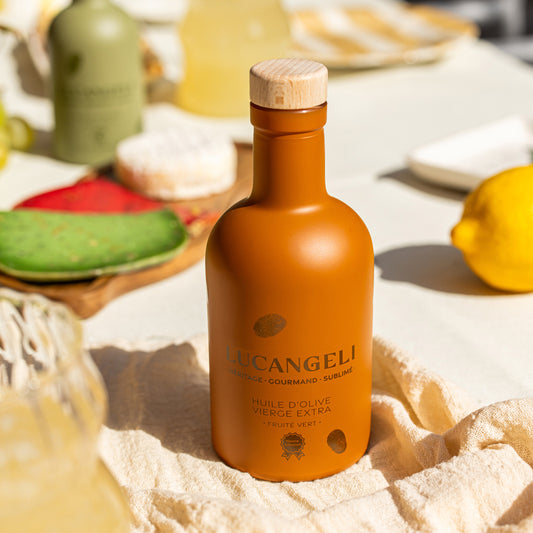
It's in this in-between that Italian cooking is at its most inventive: transitional recipes combine textures and temperatures you won't find again in high summer or deep winter. A fig carpaccio with a drizzle of ripe fruity olive oil, a light squash soup with a few toasted hazelnuts, a wild mushroom risotto finished with organic ripe fruity olive oil — these are plates of passage, anchored in one precise moment of the year.

The star products of Italy's seasonal turn
Piedmont PGI hazelnut: the queen of autumn
The Tonda Gentile delle Langhe, the round Piedmont hazelnut with PGI status, is harvested between mid-September and mid-October depending on altitude. It's one of the most prized nuts in Italian gastronomy, used in professional kitchens as much as in the artisan pastry shops of Alba and Cuneo.
What sets it apart is its perfectly spherical shape, which makes industrial shelling easier, and its richness in natural oil, which gives it a buttery, lightly toasted taste even raw. Roasted at low temperature, it reveals notes of cocoa and caramel that make it the perfect partner for autumn desserts.
To enjoy it all year round, Piedmont hazelnut spread is the most direct form: made from selected hazelnuts, with no palm oil, it keeps the aromatic profile of the fresh nut. For professional pastry use, the 100% Piedmont hazelnut purée in 1 kg format is designed to be worked straight in the lab or the kitchen.
Pistachio and almond: two Sicilian autumns
The Sicilian pistachio harvest, especially the one from Bronte on the slopes of Etna, ends in September. It's a short window, and only every other year (the pistachio is an alternate-bearing crop), which explains its rarity and its value. At the equinox, growers are sorting, shelling and packing the harvest. The first purées of the season reach the market in October.
The almond, for its part, is harvested from August to September in Sicily and Puglia. By the equinox the harvest is over and the almonds are drying. Almond spread draws its mild, lightly sweet profile from this raw material worked without excess refined sugar — a tradition of Sicilian confectionery.
Mushrooms, chestnuts, late figs
The wild mushrooms of the Apennines — porcini, ovoli, gallinacci — start to appear from mid-September after the first rains. Picking them is governed by strict regional rules in Italy: daily permits are required in most national and regional parks. It's a detail few food guides mention, but it shows how Italy protects the resources of its terroir.
The chestnuts of the Mugello, Campania and Calabria come into full harvest from the first week of October. The sagre — village festivals — devoted to them multiply all month long. In Italy, it's not unusual for a whole village to organise its sagra della castagna around a single product, with a market, concerts and recipes passed down through generations.

At the table with autumn Italy: recipes, pairings and ideas to celebrate the seasonal turn
Three table ideas to celebrate the equinox the Italian way
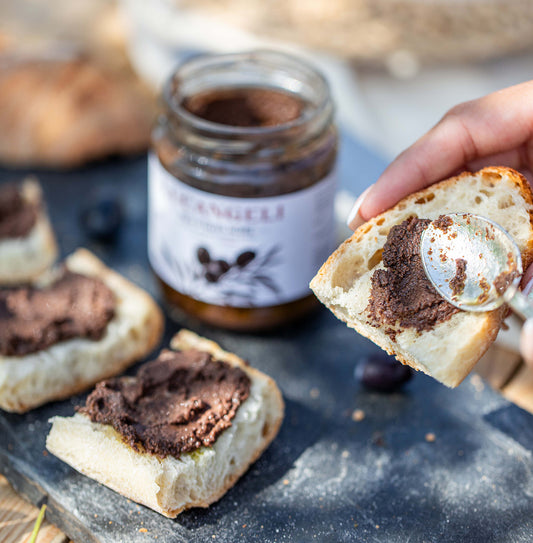
- The seasonal tartine: a slice of toasted sourdough bread, a generous layer of pistachio spread, a few fresh figs cut in half, a dash of PGI balsamic vinegar, Gold collection. The sugar of the fig, the acidity of the balsamic and the fat of the pistachio create a pairing that sums up the shift from summer to autumn all on its own.
- The transitional risotto: arborio or carnaroli, with mushrooms sautéed in organic green fruity olive oil at the start of cooking, mantecare with butter and 1 kg hazelnut purée rather than parmesan — a rare substitution practised by some Piedmont cooks to bring a different roundness.
- The tasting board: the set of five spreads served with seasonal fruit (figs, pears, grapes), fresh walnuts and a selection of different breads. It's an Italian way of turning the aperitivo into a meal in its own right — the tagliere dolce — which trattorias in the North are happy to offer in autumn.
The role of nuts in Italian autumn pastry
This table shows the geographical diversity of autumn Italy: each region has its own calendar, its own varieties, its own recipes. Piedmont cocoa hazelnut spread belongs directly to this Piedmont tradition, where the hazelnut-chocolate pairing predates Nutella by several centuries — gianduja dates from the 19th century, invented in Turin.
What the equinox also wakes up on the professional side
For restaurateurs, the equinox is the signal for the autumn menu. It's the moment when summer dishes, still around, start giving way to hot plates, mushroom garnishes and nut-based desserts. If you work in the kitchen or front of house, it's also a good time to review your sourcing: pistachio and hazelnut purées in professional formats let you work in large quantities without running out of stock. The professional area is there to guide you on formats and minimum orders.
---
Frequently asked questions
Which Italian products are in season at the autumn equinox?
At the end of September, Italian markets offer the last summer vegetables (tomatoes, peppers, aubergines) and the first autumn fruits at the same time: late figs, harvest grapes, the first Piedmont hazelnuts, Apennine mushrooms and mountain apples. It's one of the richest periods of the year in terms of variety.
When is the Piedmont PGI hazelnut harvested?
The Tonda Gentile delle Langhe, the only Italian hazelnut with PGI status, is harvested between mid-September and mid-October depending on the year and the altitude within the Langhe. It's a short harvest, mechanical or manual depending on the producer, and it determines the quality of everything made from it (spreads, purées, roasting) for the whole of the following year.
How do you work Italian spreads into a savoury autumn recipe?
Hazelnut spread and pistachio purée aren't just for sweet uses. In savoury autumn cooking, they act as a binder in sauces, a base for risotto mantecature, or a garnish on a cheese plate with a few fresh seasonal fruits. The Italian tradition of the tagliere dolce-salato has been mixing the two registers without hesitation for centuries.




 lucangeli.it