


The arrival of spring heralds the beginning of aperitif season with family and friends. And what better way to dive into the warm and friendly atmosphere of Italy than by creating a successful Italian-style aperitif? Antipasti, those delicious small dishes that precede a meal, are a staple of Italian gastronomy. Discover how to create an authentic, generous, and flavorful antipasti platter, choosing the right products and respecting Italian traditions.
What are antipasti?

The word "antipasti" comes from the Italian anti (before) and pasto (meal). It refers to all the small bites and dishes served before the main meal. Much more than just an appetizer, antipasti reflect a gastronomic culture deeply rooted in Italian life: one of sharing, slowness, and the pleasure of the table. To accompany this moment, a set of 4 artisanal tapenades placed in the center of the table is enough to create a warm and generous atmosphere.
The aperitivo, a social ritual
In Italy, aperitivo is much more than a drink before dinner. It's a transitional moment between the workday and the evening meal, a social ritual where friends and family gather to unwind and share. Antipasti play a central role: they invite you to snack unhurriedly, to taste, to chat. A creamy black olive tapenade on a toasted crostino, a few marinated olives, a drizzle of olive oil... and the Italian atmosphere settles in naturally.
Antipasti vs. appetizer: what's the difference?
Unlike a French appetizer, served individually at the beginning of a structured meal, antipasti are designed to be shared. They are arranged on a large platter or in small bowls in the center of the table, and everyone helps themselves. Variety is key: alternating between savory, slightly tangy, creamy, and crunchy. For example, DOP basil pesto with olive oil can both garnish a bruschetta and serve as a dip for raw vegetables.
The essentials for a successful antipasti platter
A good antipasti platter relies on the balance of textures, flavors, and colors. Here are the main product categories not to forget when preparing an Italian-style aperitif worthy of the name.
Spreads and tapenades
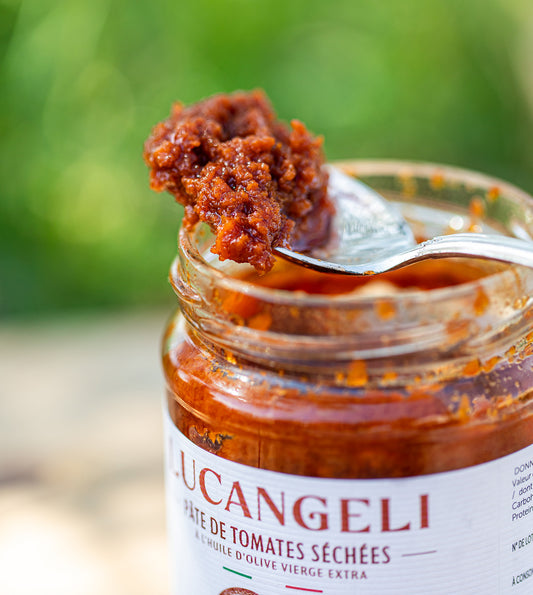
Spreads are the heart of the antipasti platter. They offer generosity and allow everyone to customize their bites. Sun-dried tomato tapenade is particularly appreciated: its concentrated, slightly sweet, and intensely fragrant flavor recalls the summers of southern Italy. It pairs perfectly with lightly toasted country bread or crispy grissini.
Olives and marinated vegetables
Olives are inseparable from Mediterranean aperitifs. Choose quality olives, marinated in good olive oil to bring out all their flavor. Pitted black olives in olive oil are ideal for an antipasti platter: soft, fleshy, and fragrant, they pair well with cheeses and Italian cold cuts. You can also add marinated vegetables — grilled peppers, artichokes in oil, zucchini — to add freshness and color.
Breads and bases
Bread is the essential base for antipasti. In Italy, crostini (small toasted bread slices), grissini (crispy breadsticks), or focaccia are preferred. The key is to offer bases that do not overpower the flavors of the spreads. A drizzle of organic green fruity olive oil on toasted bread slices is enough to transform a simple bruschetta into a memorable bite.
How to enhance your antipasti with good ingredients?

The quality of the ingredients makes all the difference in an antipasti platter. In Italy, we don't skimp on products: good olive oil, a characterful balsamic vinegar, artisanal condiments... These are the details that elevate an everyday aperitif to a gastronomic experience.
The role of olive oil
Olive oil is the unifying ingredient in Italian cuisine. It is used to marinate, season, finish a dish, or simply dip a piece of bread. For an antipasti platter, choose an oil with character, capable of adding personality without overpowering other flavors. Organic ripe fruity olive oil, with its soft and round notes, is perfect for accompanying fresh cheeses or grilled vegetables. For those who prefer more intense flavors, a green fruity oil will bring a beautiful vivacity.
Balsamic vinegar as a finishing touch
Balsamic vinegar is one of the most emblematic condiments of Italian gastronomy. A few drops are enough to transform a dish: on a tomato bruschetta, on strawberries at the end of a meal, or drizzled over carpaccio. The Modena PGI Gold collection balsamic vinegar, with its slightly syrupy texture and balance of sweetness and acidity, is ideal for adding that finishing touch that makes all the difference on an antipasti platter.
Artisanal spreads to surprise
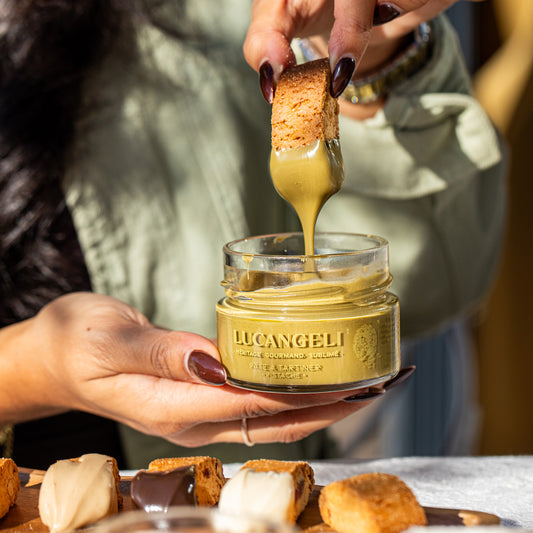
To think outside the box and surprise your guests, artisanal spreads are an excellent option. They bring an original sweet and savory note that contrasts pleasantly with the more intense flavors of tapenades and olives. Pistachio spread, creamy and fragrant, pairs very well with hard cheeses or crackers. Bergamot spread, on the other hand, brings a unique citrus touch, typical of the Calabrian region, which awakens curiosity and invites discovery.
For those who wish to offer or treat themselves to a complete and carefully curated antipasti platter, the customizable gift box allows you to gather the best artisanal Italian products in one elegant setting — a beautiful way to share the gastronomy of southern Italy with loved ones.




 lucangeli.it