

Italian Carnival is an explosion of colors, music, joy, and delicacies. The streets are bustling with parades of extravagant costumes and the enticing aromas of traditional dishes. Among these dishes, desserts hold a special place, as they are an integral part of Italy's culinary heritage. These sweet treats, called "dolci di carnevale," are much more than simple confections; they reflect a long history and traditions passed down from generation to generation.
The Sweet Heritage of Italian Carnival

Chiacchiere, Symbols of Lightness
At the heart of the Italian Carnival, we find the famous "chiacchiere." These small strips of fried dough, covered with powdered sugar, symbolize lightness and conviviality. Their name, which literally means "chatter," evokes the lively discussions that take place during the festivities. Chiacchiere originate from several regions of Italy, but each family has its own recipe passed down from generation to generation. These treats are very easy to prepare, simply mix flour, eggs, butter, and sugar to obtain a crispy and light dough. They are often decorated with powdered sugar, but can also be found drizzled with honey or chocolate.
Castagnole and Struffoli, Pearls of Indulgence
Besides chiacchiere, there are other emblematic Italian Carnival desserts, such as "castagnole" and "struffoli." Castagnole are small fried balls made from flour, eggs, sugar, and lemon zest. They are often filled with jam or chocolate for added indulgence. Originating from Naples, struffoli are small fried dough balls covered with honey and candied fruit. These sweets are typical of the southern Italian region and are often given as gifts during the festivities.
Ingredient Quality, Key to Authenticity

Olive Oil, the Secret to Perfect Textures
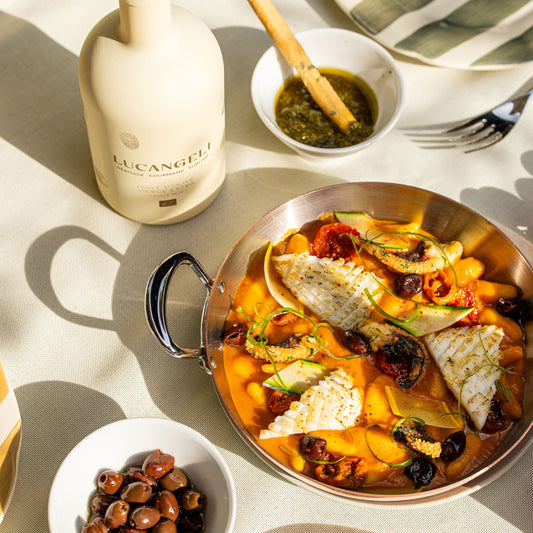
To prepare these Italian Carnival desserts, it is essential to use quality ingredients. Olive oil, a flagship ingredient in Italian cuisine, plays an important role in the texture and taste of chiacchiere and castagnole. A quality ripe fruity olive oil brings a touch of fruitiness and sweetness to these pastries. This exceptional organic olive oil is ideal for enhancing these Carnival desserts.
Honey and Nuts, Treasures of Flavor
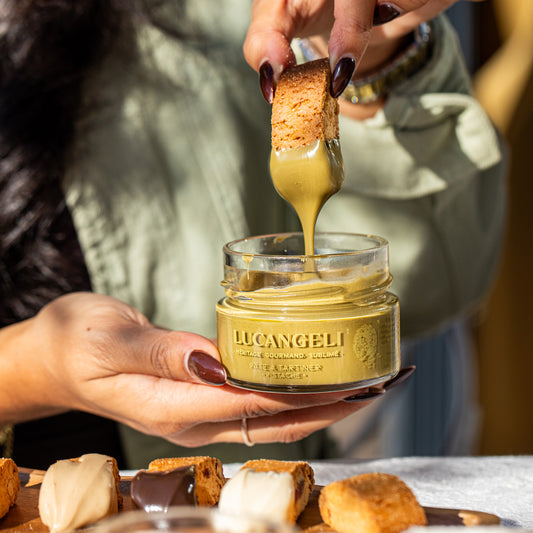
Honey and nuts are also key ingredients in preparing Italian Carnival desserts. Chiacchiere are often drizzled with honey to give them a sweet and aromatic touch. Castagnole can also be filled with fruit jam or chocolate, but traditional versions are garnished with crushed hazelnuts or pistachios. For a true culinary journey, artisanal hazelnut spreads and pistachio spread are perfect to accompany these sweets.
Preserving Traditions in Modernity
The Art of Transmitting Ancestral Techniques
While the recipes for these Carnival desserts are ancient, that doesn't mean they can't evolve. On the contrary, the transmission of techniques and recipes from generation to generation is essential to preserve these Italian culinary traditions. Each family has its own way of preparing these sweets, and each region has its specificities, which makes these desserts even more precious.
Respectful Innovation and Creativity
However, it is also important to innovate while respecting traditions. A gift set allows you to discover various Italian culinary specialties, including the famous Carnival desserts. This type of box combines tradition and modernity by offering quality products while preserving ancestral culinary traditions.
In conclusion, Italian Carnival desserts are much more than simple sweets; they are a testament to a rich and precious culinary heritage. The quality of ingredients, the transmission of techniques and recipes, and respectful innovation are all elements that help preserve these ancestral culinary traditions. So, let yourself be carried away by the warm and festive atmosphere of the Italian Carnival by savoring these delicious treats.





 lucangeli.it