


Plant-based cuisine has gained popularity in recent years, whether for health, ethical, or environmental reasons. It involves prioritizing plant-based foods in one's diet, limiting or even excluding animal products. But one question often arises: how can we add taste and flavor to our dishes without using animal fats like butter or cream? The answer lies in olive oil, an essential ingredient in Mediterranean cuisine. In this article, we'll explore how olive oil can enhance your plant-based recipes and why choosing a high-quality , organic, fruity green olive oil is the best way to do so.
Olive oil, an indispensable ally for plant-based cooking

Olive oil is a vegetable oil extracted from the olive, the fruit of the olive tree, and is primarily produced in Mediterranean countries. It is renowned for its exceptional flavor and versatility in cooking. But olive oil is also an essential ingredient for adding taste and flavor to vegetarian cuisine.
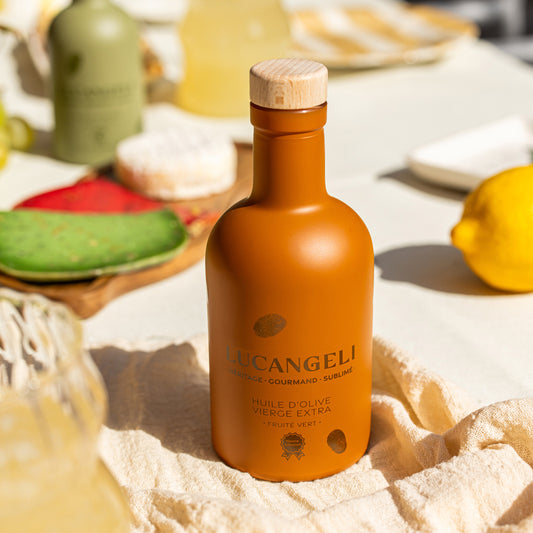
Indeed, its fruity taste and slightly thick texture make it a perfect alternative to butter or cream, often used in traditional dishes. Furthermore, olive oil brings a Mediterranean touch to your recipes, with its aromas of green or ripe olives depending on the type of oil used. A ripe, fruity, organic olive oil, for example, offers milder, fruitier notes.
Extra virgin olive oil, quality above all
To fully enjoy the benefits of olive oil, it's important to choose a quality oil, and what could be better than extra virgin olive oil? This designation guarantees that the oil was obtained from a first cold pressing, without the addition of any chemicals. It thus retains all its nutritional properties and authentic taste.
Choosing organic olive oil is also an ethical and responsible choice towards the environment and local producers. A trio of olive oils allows you to discover different aromatic profiles depending on your recipes.
A variety of flavors to suit all tastes
Each olive oil has its own unique flavor profile. Fruity green oils offer aromas of fresh herbs and green tomato, perfect for salads and raw vegetables. Fruity ripe oils, which are milder, are ideal for cooked dishes and pasta. For a touch of originality, a bergamot-infused olive oil adds a unique citrus note to your recipes.
Use olive oil in your plant-based recipes

Olive oil lends itself to many uses in plant-based cooking. It can be used both cold and hot, depending on the type of preparation desired.
As a seasoning and finishing touch
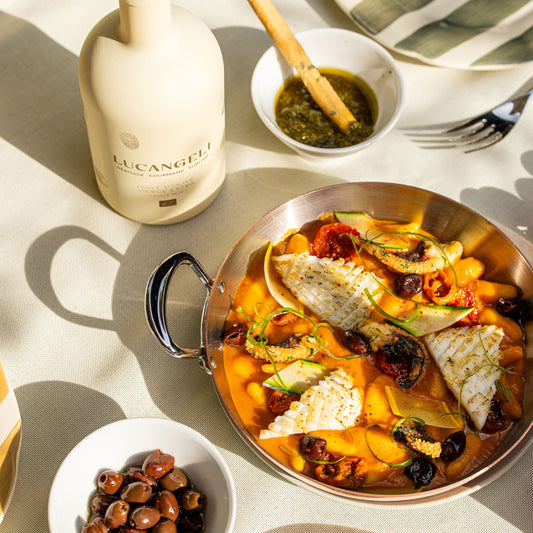
Extra virgin olive oil reveals its full aroma when used cold. It enhances composed salads, grilled vegetables, or vegetable soups as a finishing touch. Just a few drops are enough to transform a simple dish into a flavorful creation. A black olive tapenade in olive oil also makes an excellent accompaniment to raw vegetables.
For cooking and marinating
Olive oil stands up well to cooking at moderate temperatures. It's perfect for sautéing vegetables, cooking grains, or preparing marinades. Its flavor blends harmoniously with aromatic herbs and spices, creating delicious bases for your vegetable dishes.
In sauces and preparations
Olive oil is a key ingredient in many Mediterranean sauces. A pesto made with extra virgin olive oil and DOP basil instantly transforms simple pasta into a gourmet dish. It can also be used to make homemade salad dressings, vegan mayonnaise, or creamy emulsions.
Practical tips for choosing and storing your olive oil
Choosing a good olive oil is essential for successful plant-based recipes. Several criteria should be considered to make the right choice.
Quality criteria
Always choose extra virgin olive oil, a guarantee of quality and authenticity. Check the origin and harvest date; the fresher the oil, the better its aroma. Organic oils guarantee environmentally friendly production without pesticides.
Optimal storage and use
Store your olive oil in a cool, dark place to preserve its quality. Once opened, consume it within 12 to 18 months. To fully appreciate its aromas, taste your olive oil neat before using it in cooking.
Adjust the oil to suit the recipe
Each type of olive oil is suited to specific uses. Intensely fruity oils enhance hearty dishes, while milder oils complement delicate preparations. Feel free to vary your choices according to your culinary desires.
Olive oil is a true asset for developing a flavorful and authentic plant-based cuisine. By choosing quality oils and learning how to use them according to their characteristics, you will discover the full flavor potential of this iconic Mediterranean ingredient.



 lucangeli.it