


The holiday season has just ended, leaving behind warm memories and... cupboards overflowing with delicious gourmet treats. Between the gifts received, the purchases for festive meals, and the leftovers from your cooking, you're left with a veritable culinary treasure trove that deserves careful preservation. Optimally storing these exceptional products isn't just about saving money; it's also a way to extend the holiday enjoyment and savor these delicacies all year round.
The fundamental rules for preserving gourmet products
Understanding the different types of conservation
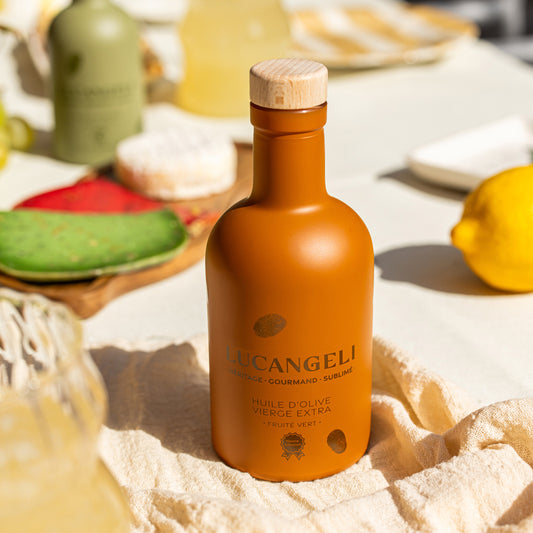
Each gourmet product has its own storage requirements. Olive oils, for example, are sensitive to light and excessive heat. A high-quality , organic, fruity green olive oil should be stored in a cool, dark place, ideally between 12 and 18°C, to preserve its intense aromas and flavor.
The importance of labeling and dates
After the holidays, it's essential to check the expiration dates and storage instructions on each product. Artisanal spreads generally have a longer shelf life than fresh products, but still require careful handling once opened.
Create a stock rotation system
To avoid waste, adopt the "first in, first out" method. Place products with the closest expiration dates at the front of your cupboards. This organization will allow you to fully enjoy the gift baskets you received during the holidays.
Specific techniques depending on the product categories
Preserving oils and vinegars
Olive oils and balsamic vinegars are among the most durable products in your pantry, provided you follow a few simple rules. A ripe, fruity olive oil should be stored in its original, tightly sealed bottle, away from direct sunlight.

Balsamic vinegars, such as IGP Dense Balsamic Vinegar , improve with age when stored properly. Avoid temperature fluctuations and keep them in a stable location.
Preserving spreads and jams
Artisanal spreads require special care after opening. A gold medal-winning bergamot spread should be refrigerated after opening and consumed within a few weeks to preserve its creamy texture and delicate flavor.
Storage of products in jars and cans
Tapenades and other jarred preparations, such as black olive tapenade , must be handled with clean utensils to avoid contamination. Once opened, they should be refrigerated and covered with a thin layer of olive oil to preserve their freshness.
Optimize your post-holiday pantry organization
Create suitable storage areas
Create different zones in your kitchen according to storage needs. Products like organic green olives can be stored at room temperature before opening, while others require a cooler environment.
Use appropriate containers
Transfer opened products to airtight containers if necessary. This is especially important for bulk products or those whose original packaging does not reseal properly. Professional nut butters , for example, require protection against oxidation.
Plan consumption
Create a consumption plan based on expiration dates and your culinary preferences. This will allow you to enjoy each product at its best and avoid waste. Remember to regularly incorporate these exceptional products into your daily meals.
Monitor product development
Conduct regular stock checks. Verify the appearance, smell, and texture of your products, especially those that have been open for some time. A high-quality PGI red onion balsamic vinegar may develop a slight natural sediment without affecting its quality.
Properly storing your gourmet products after the holidays will allow you to extend the culinary pleasure well beyond the celebrations. By following these practical tips and respecting the specific needs of each product, you will not only preserve their flavor but also prevent food waste. These gastronomic treasures, whether they come from gifts or festive purchases, deserve your full attention to continue enhancing your everyday meals.




 lucangeli.it