


The Italian aperitivo is one of summer's most convivial rituals. A generous board placed in the center of the table, a few clinking glasses, and the flavors of southern Italy spreading through the garden or terrace: that's all it takes to turn a simple aperitif into a true moment of sharing. But how do you create a successful antipasti board that is balanced, flavorful, and easy to prepare? Here are the ingredients, products, and practical tips to achieve just that.
The essential ingredients for an Italian antipasti board

A successful antipasti board relies on a balance of textures, flavors, and colors. The idea is not to endlessly multiply elements, but to choose quality products that complement each other. In Italy, antipasto — literally "before the meal" — is an invitation to slow living and shared pleasure. This mindset is reflected in the selection of ingredients: nothing superfluous, everything is designed to highlight the authentic taste of the products.
Spreads and tapenades, the soul of the board
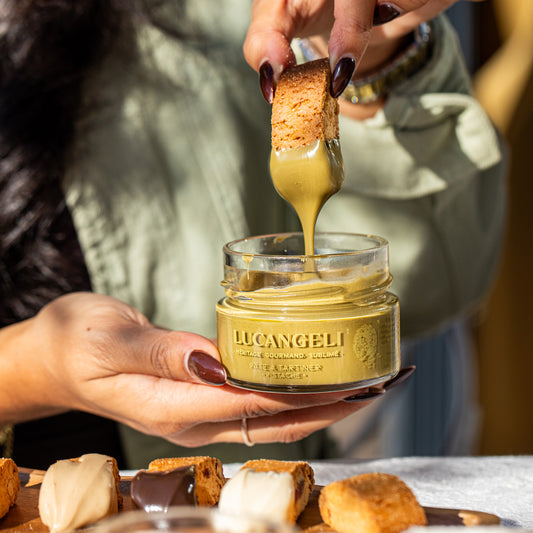
Spreads are the most distinctive elements of an Italian antipasti board. They add depth, color, and allow each guest to customize their bites. A black olive tapenade with extra virgin olive oil, a sun-dried tomato tapenade concentrated in flavor, or a DOP basil pesto made with olive oil: these three spreads are enough to give your board a strong Italian identity. To save time and vary the pleasures, the set of 4 tapenades is a convenient option that brings together the great classics of the region in a single box.
Olives, vegetables, and cheeses: the essentials
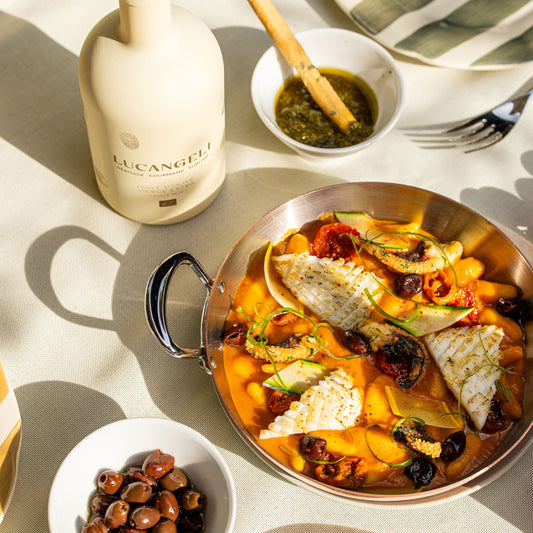
Pitted black olives with extra virgin olive oil are essential on an antipasti board. Marinated according to Southern Italian traditions, they bring a fruity and slightly bitter note that contrasts with the sweetness of the cheeses. For vegetables, grilled bell peppers, marinated artichokes, and zucchini in olive oil are classics that are easy to prepare in advance. For cheeses, an aged pecorino or a few parmesan shavings are enough to complete the board without making it too heavy. The tip: take the cheeses out of the refrigerator 20 minutes before serving to release their aromas.
Bread, crostini, and focaccia: the bases
An antipasti board without a crispy base is not complete. Focaccia, soft and fragrant with olive oil, is the staple bread in Southern Italy. Crostini — small slices of toasted bread — are ideal for spreading tapenades and pestos. A quality baguette, lightly toasted, can also work. The key is to assemble the bruschetta at the last minute to maintain crispness and prevent the bread from softening when in contact with the toppings.
Extra virgin olive oil, the common thread of the Italian aperitivo

Extra virgin olive oil is much more than a simple ingredient in Italian cuisine: it is the binder that unites all the elements of an antipasti board. It is used to marinate vegetables, season cheeses, drizzle over spreads, and finish dishes. Choosing a quality oil, from a carefully harvested crop, radically changes the final result.
Choosing the right oil for different uses
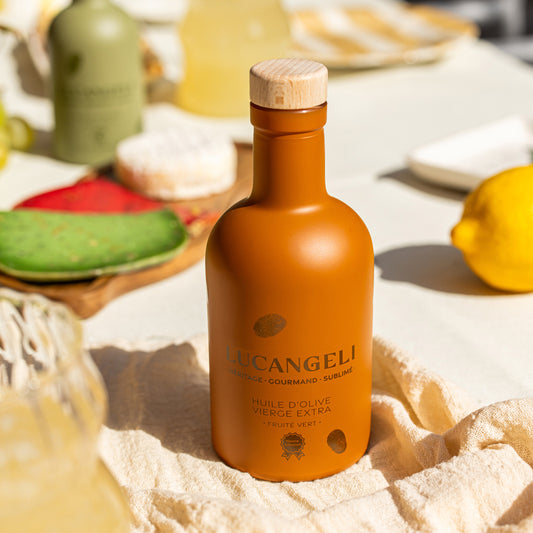
For a summer antipasti board, organic green fruity olive oil is particularly suitable: its herbaceous and slightly peppery notes pair well with grilled vegetables and cheeses. For marinades and dips, organic basil olive oil adds a fresh aromatic touch, while organic garlic & chili olive oil enhances bruschetta and crostini with character. These aromatic oils, from the Calabrian region, allow you to vary the pleasures without multiplying preparations.
Balsamic vinegar to enhance flavors
A few drops of IGP Modenese Gold Collection balsamic vinegar on burrata, cherry tomatoes, or fresh figs: it's one of the simplest ways to elevate an antipasti board. Modena IGP balsamic vinegar, with its sweet and slightly caramelized notes, creates a perfect contrast with the bitterness of olives and the freshness of vegetables. It is used as a finish, never in cooking, to preserve all its aromatic complexity.
Practical tips for a successful summer antipasti board
Composing a beautiful antipasti board does not require specific culinary skills, but a few basic rules can help avoid common mistakes and save time on the day of the event.
Quantities and organization
For an antipasti board as an aperitif for 4 to 6 people, plan approximately 80 to 100g of spreads per person, 50g of olives, 100 to 150g of cheese, and a generous quantity of bread or crostini. Prepare marinated vegetables the day before: they will be even more flavorful. Spreads and olives can be placed in small bowls or directly on the board. Keep cheeses and fresh elements for the last minute.
Presentation and serving
The presentation of an antipasti board plays an important role in the tasting experience. Use a large wooden board or slate, and create height by stacking certain elements. Alternate colors: the red of sun-dried tomatoes, the green of pesto, the black of olives, the white of burrata. Add a few fresh basil leaves or arugula for the final touch. To offer a complete experience to your guests — or to give an original gourmet gift — the customizable gift box allows you to gather the essential products for an Italian aperitif in a beautiful package.




 lucangeli.it