


Bergamot , a delicate fruit from the citrus family, is often confused with its cousin, the lemon. Native to the Mediterranean region, it is prized for its distinctive aroma and tangy flavor. In cooking, bergamot is a versatile ingredient , used in a variety of recipes . It adds a unique aromatic note to pastries, cocktails , herbal teas , and even savory dishes. The essential oils extracted from its peel are also highly valued in perfumery for creating fragrances.

Characteristics and features of the bergamot lemon
The bergamot lemon is prized for its sweet and fragrant flavor, somewhere between that of lime and bergamot. The fruit's peel, or zest , is used to infuse an exquisite flavor into dishes, particularly in Asian and Italian cuisine . Bergamot lemon juice, rich in vitamin C and antioxidants , can be used to prepare refreshing drinks such as lemonades or iced teas. It is also ideal for making salad dressings, sorbets, or ice cream. Bergamot lemon has digestive properties and is often consumed as an infusion after a meal. Finally, the bergamot lemon is an organic fruit , grown without the use of pesticides or chemical fertilizers, making it a healthy and environmentally friendly choice.
Preparation of bergamot lemon for consumption
When discussing cuisine , and particularly Mediterranean gastronomy , bergamot lemon is a must. This citrus fruit, with its exceptional aromatic richness, is often used in pastries or in cocktail preparation by mixologists.
Choosing and buying a quality bergamot lemon
When buying bergamot lemons, it's essential to choose organic ones, as pesticides can alter the fruit's taste and properties. Furthermore, a quality lemon should have smooth, shiny skin, free of blemishes or mold. It's best to buy them between November and February, during the harvest season. The fruit should be firm to the touch, but not hard. It should have a fresh, lemony fragrance .

Preparing and cutting the bergamot lemon
The first step in preparing a bergamot lemon is to wash it thoroughly to remove any residue. Then, it can be cut in half and the juice extracted. Rich in vitamin C and antioxidants , it can be used to make a detox lemonade or as a dressing for a fruit salad. For lovers of Asian or Italian cuisine, finely grated bergamot lemon zest enhances fish dishes, risottos, or sorbets. The zest can also be incorporated into cake or cookie dough for a deliciously lemony flavor. Finally, let's not forget that bergamot lemon can be used to prepare digestive herbal teas or fragrant infusions. Thus, this multifaceted fruit finds its place in numerous recipes and offers a wide range of culinary possibilities.
Consumption of bergamot lemon
The bergamot lemon , a citrus hybrid with aromas of lemon and bergamot, is a prized fruit in Mediterranean cuisine. Rich in vitamin C and antioxidants, it is both aromatic and beneficial to health. Its unique flavor and captivating fragrance make it a choice ingredient in many recipes, from cocktails and pastries to savory dishes.
Enjoy raw bergamot lemon
Bergamot lemons , this exotic citrus fruit, are best enjoyed raw, whether in a fruit salad or as fresh juice. Their juicy flesh and balanced acidity offer a refreshing and invigorating touch. The lemon's zest, rich in essential oils , is also used to flavor various culinary recipes. Furthermore, raw bergamot lemons aid digestion , boost the immune system, and contribute to the body's detoxification process . To fully benefit from its properties, it is best to choose organic fruit, harvested when fully ripe.
Using bergamot lemon in cooking
In cooking, bergamot lemons are prized for their distinctive aroma that enhances flavors. They are commonly used in Italian and Asian cuisine for their acidity and unique taste. Chefs and pastry chefs use them to flavor cakes, sorbets, and other desserts. The fragrant and slightly bitter zest of bergamot lemons is often incorporated into cake batters, jams, and preserves. Bergamot lemons also have their place in beverage preparation: their juice is used in refreshing drinks like lemonade, and mixologists use it to create exquisite cocktails. Finally, as an infusion or herbal tea, bergamot lemon adds a pleasant aromatic note and aids digestion.
Preserving bergamot lemons
The bergamot lemon , a fruit resulting from the union of a lemon and a bergamot, is a citrus fruit prized for its captivating fragrance and unique aromatic flavor. It is rich in vitamins, particularly vitamin C , and antioxidants, making it an excellent choice for health. Storing bergamot lemons requires some special care to preserve their valuable nutrients and distinctive aroma.
Keep the bergamot lemon in the refrigerator
The most common way to preserve bergamot lemons is to refrigerate them. The cold helps slow down the fruit's natural spoilage process, thus extending their shelf life. It is recommended to store them in the crisper drawer of your refrigerator, where the temperature is more stable. Under these conditions, bergamot lemons can be kept for two to three weeks. However, it is best to consume them soon after purchase to fully enjoy their nutritional benefits and unique flavor.
Preserving the bergamot lemon through the drying process
Besides refrigeration, bergamot lemons can be preserved by drying. This method removes moisture from the fruit, slowing down spoilage and preserving its flavor. Drying bergamot lemon peel is especially popular in gastronomy, particularly in pastry and Asian cuisine. Dried peel can be used to flavor a variety of dishes, beverages like lemonade or infusions, and even desserts such as cakes and sorbets. Furthermore, it is a concentrated source of vitamin C and antioxidants. To dry bergamot lemons, simply peel the fruit and place the peel on a baking sheet in a low oven until completely dry.
Benefits and warnings regarding bergamot lemon
Bergamot lemon is not only a versatile culinary ingredient but also an inexhaustible source of health benefits. Belonging to the citrus family, it is rich in vitamin C and antioxidants , making it valuable for boosting the immune system. Its juice, consumed in drinks such as lemonade or infusions , is known to aid digestion . Furthermore, its essential oils, extracted from its peel, have an aromatic fragrance used in aromatherapy for their relaxing and soothing properties.
The health benefits of bergamot lemon
Consuming bergamot lemon, whether as juice or zest, is beneficial to health. Its rich vitamin C content helps strengthen the immune system, thus helping our bodies fight infections. The antioxidants it contains help neutralize free radicals in our bodies, reducing the risk of chronic diseases. Bergamot lemon is also known for its detoxifying properties. It promotes digestion and helps eliminate toxins from our bodies. Furthermore, as a fruit rich in fiber, it can help regulate bowel movements and prevent constipation.
Precautions to take when consuming bergamot lemon
Despite its many benefits, it's important to consume bergamot lemons in moderation. Their acidity can irritate the stomach, especially for people with gastrointestinal issues such as ulcers or acid reflux. It's also best to choose organic bergamot lemons to avoid pesticide residue. Finally, when using the zest in cooking or baking, be sure to wash it thoroughly to remove any impurities or wax residue. To fully enjoy the benefits of this Mediterranean fruit, a balanced and mindful approach is recommended.


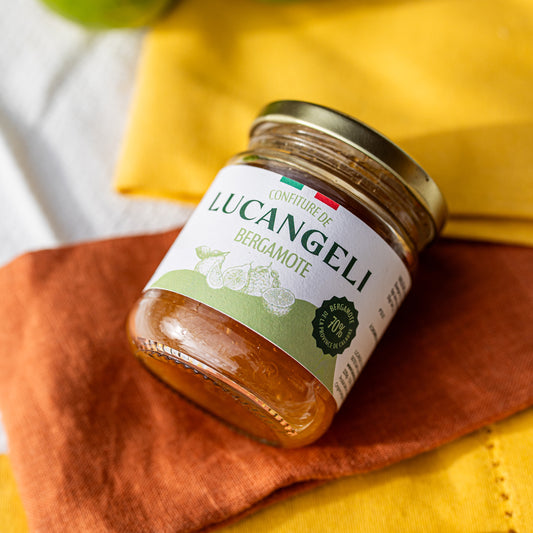





 lucangeli.it